

News
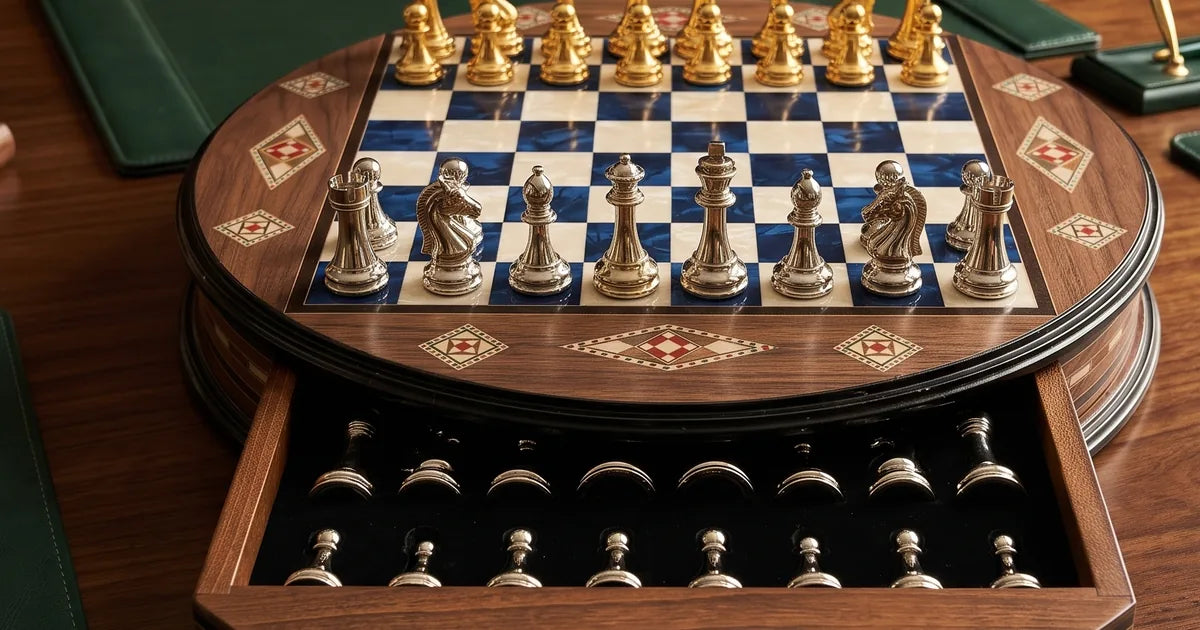
Why Is a Chess Set Expensive? The Cost Breakdown
Fifteen euros at the supermarket, several hundred at a workshop — for the same game with the same rules. The question "why is it so expensive?" is a fair one. Here's the honest answer, cost item by...
Read more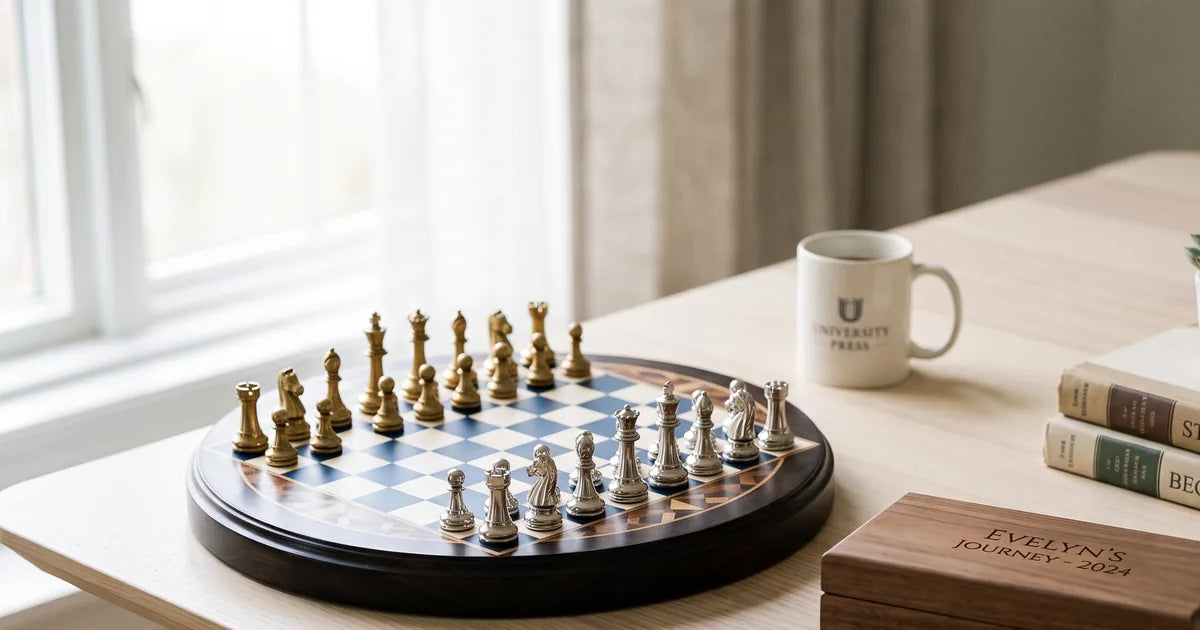
Which Wood Combination Works Best? Light and Dark Contrast Compared
A chess board is almost always made from two woods — one light, one dark. Which combination is right depends less on personal taste than most people think. There are clear, proven patterns. The gol...
Read more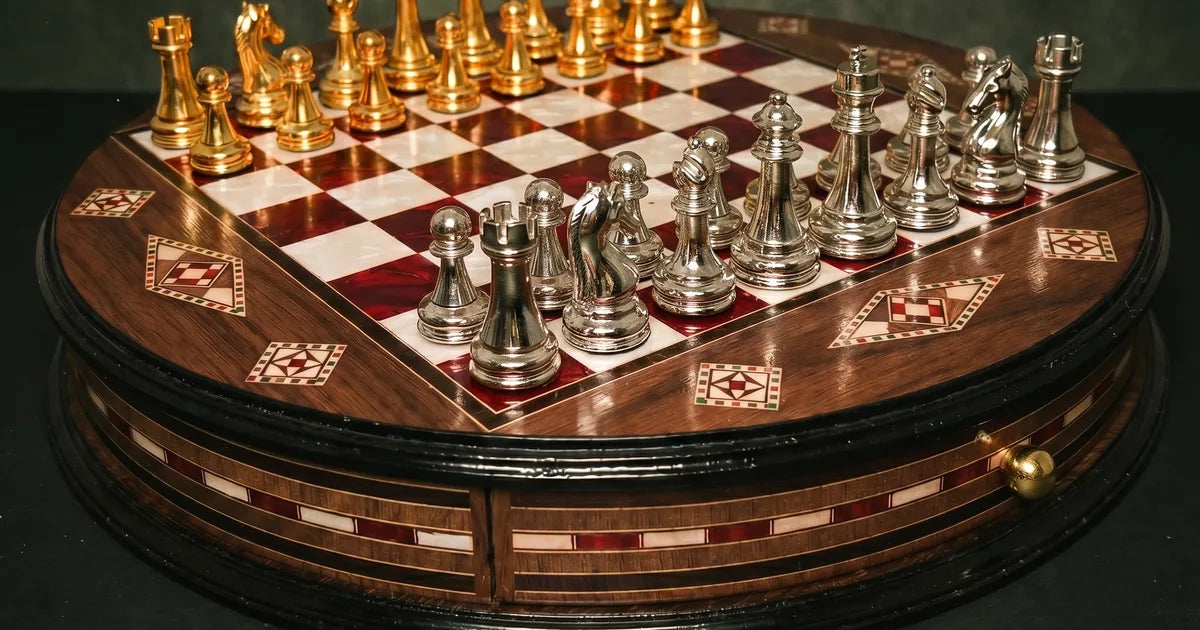
Sheesham in Chess Pieces: India's Rosewood Alternative
Alongside rosewood, a second name keeps coming up in chess pieces: sheesham. Some use the terms almost interchangeably — not quite accurately, since there are real differences. What sheesham is She...
Read more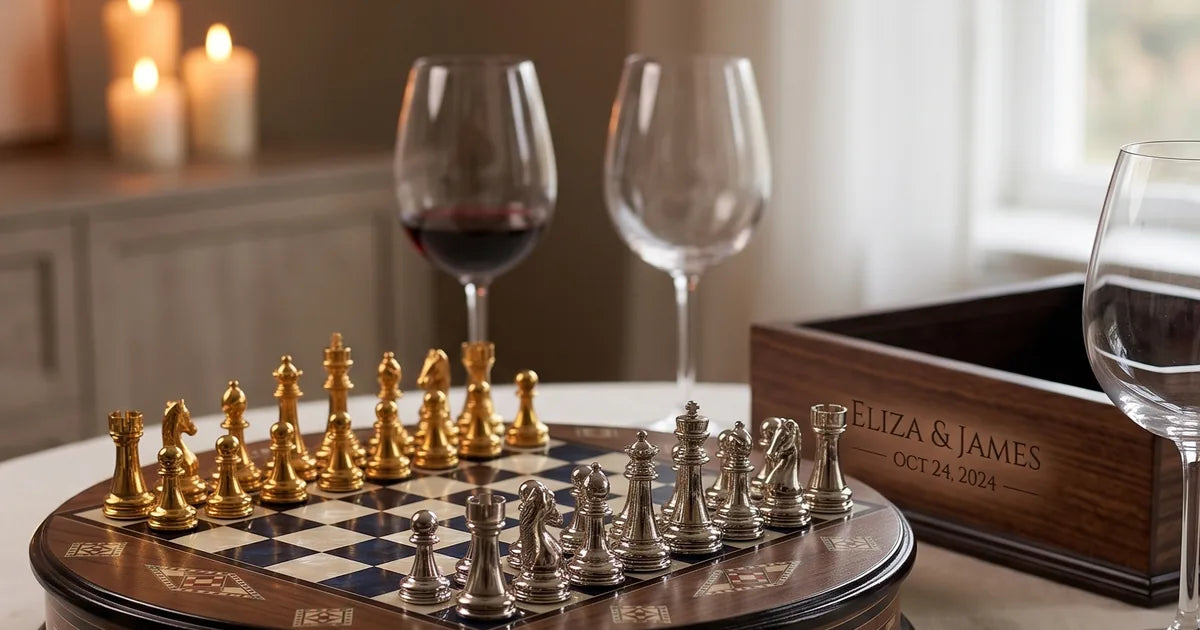
Maple for Chess Boards: The Light Counterpart to Walnut
While walnut takes care of the dark squares, another wood handles the light side on most classic chess boards: maple. Unassuming, but essential. What sets maple apart Maple is a fine-grained, light...
Read more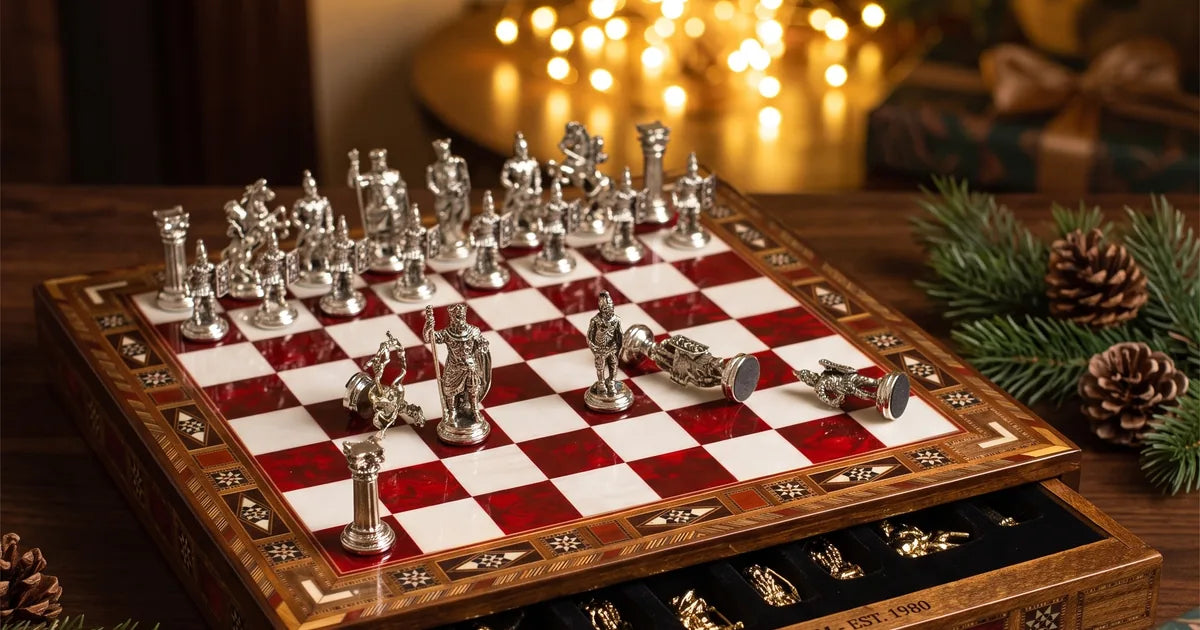
Walnut for Chess Boards: Properties and Advantages
Click through chess board listings for long enough, and you'll run into the same name almost everywhere: walnut. That's no accident — few woods balance looks, stability, and availability quite so w...
Read more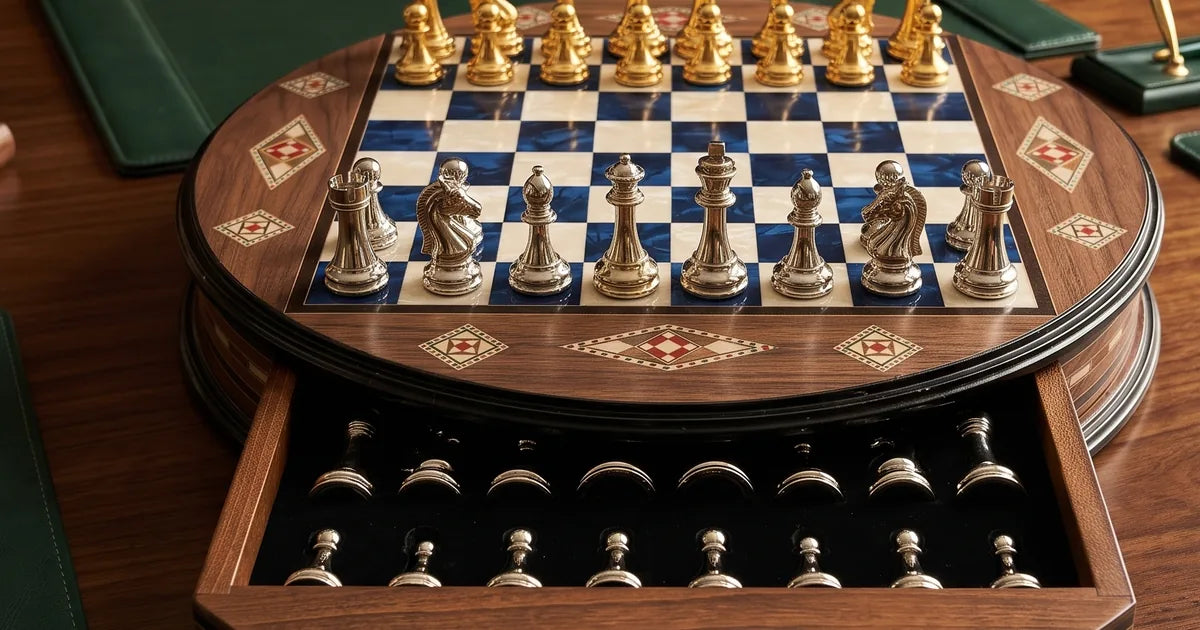
Chess Season Begins: Why Fall Is the Best Time for the Board
In summer, most people head outdoors — the garden, long evenings, little appetite for sitting still and concentrating at a table, as described in Chess in the Garden. Fall reverses that: evenings g...
Read more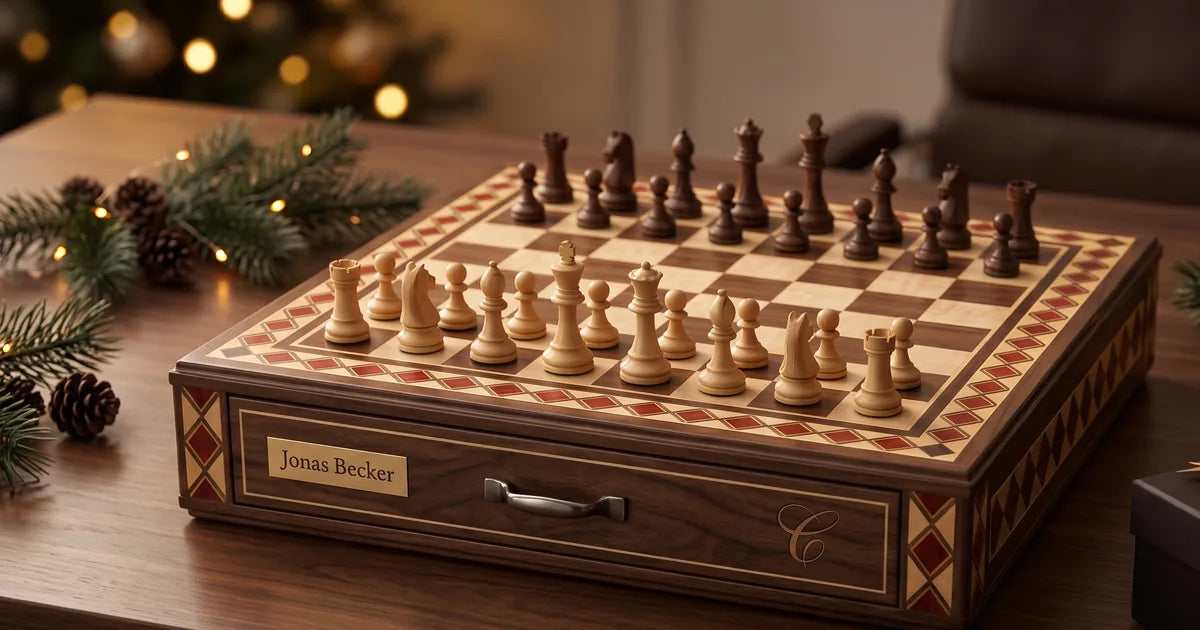
Why Chess Pieces Can Crack in Fall and Winter
Every year, the same thing happens in fall: the heating comes on, indoor air gets drier — and on some wooden objects, fine cracks suddenly appear that weren't there before. High-quality solid wood ...
Read more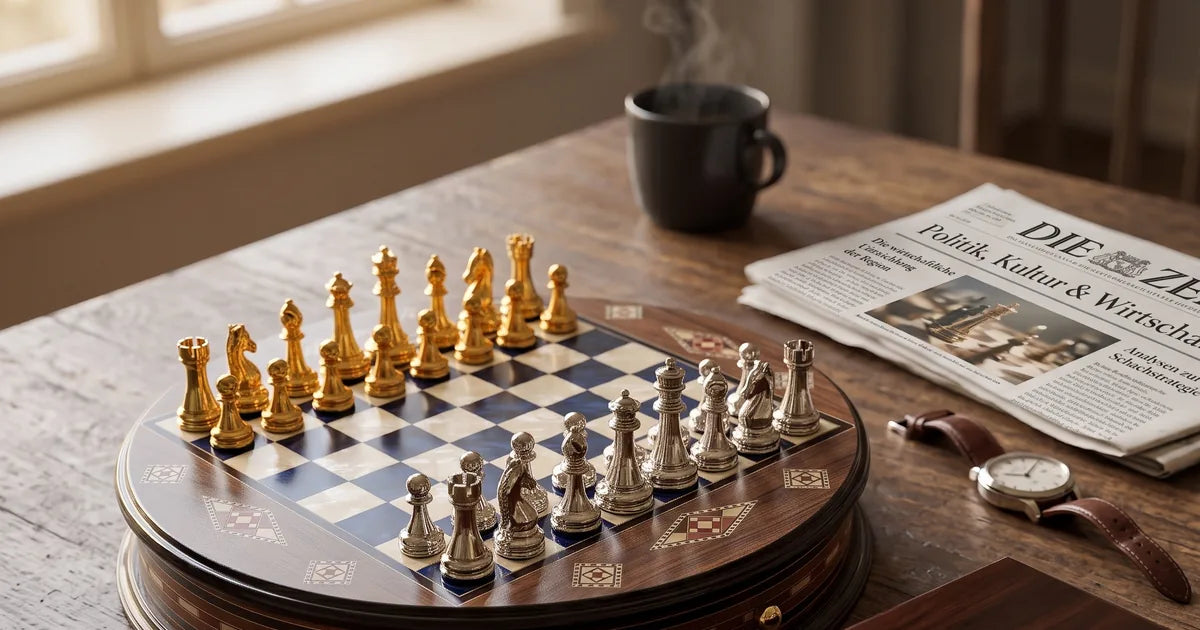
Oil Finish or Lacquer: Which Finish Lasts Longer on Chess Pieces
Two chess pieces made from the same wood can feel and age completely differently — the difference often comes down to the surface treatment. Oil finish and lacquer are the two most common methods, ...
Read more
Felt Bottoms on Chess Pieces: A Small Detail, A Big Difference
When judging a chess set, the first things you notice are wood type, color, and the shape of the pieces. One detail is often overlooked, even though it reveals a lot about the actual quality of the...
Read more
Chess Piece Weight Explained: What Lead Weighting Actually Does
Anyone starting to explore high-quality chess pieces quickly runs into a confusing range of weight figures — anywhere from a light 20 grams to over 90 grams per king. Without a point of comparison,...
Read more