
Playing Chess in Zurich: Clubs, Tournaments and History
Zurich is home to the oldest chess club in the world that still exists: the Schachgesellschaft Zürich was founded in 1809 and has since welcomed world champions such as Alexander Alekhine and legends such as Emanuel Lasker, Aaron Nimzowitsch and Viktor Korchnoi. This guide collects what is actually accessible in today's club scene. Where something could not be verified, it is not listed here.
Chess clubs in Zurich
The Zürcher Schachverband (Zurich Chess Federation) runs the clubs in the city. The following selection shows clubs whose game night is publicly listed. A dash means the club does not publish the time permanently, so it's worth checking the club's website.
| Club | District | Game night |
|---|---|---|
| Schachgesellschaft Zürich | – | Friday from 8:00 pm (open game night) |
| ASK Réti | Klus Park | Thursday from 7:00 pm |
| Schachklub Nimzowitsch Zürich | – | Monday from 6:30 pm |
The complete list of all member clubs is kept by the Zürcher Schachverband. Please check each club's website for current dates – game nights regularly shift during school holidays.
A note for a first visit: ASK Réti is considered the largest chess club in the city of Zurich, meets in Klus Park and does not require advance registration. Schachklub Nimzowitsch Zürich, named after the legendary master Aaron Nimzowitsch, opens its doors to new members on Mondays until 8:00 pm – its club venue is the Freie Schule Zürich on Waldmannstrasse. The Schachgesellschaft Zürich offers an open game night on Fridays, which is occasionally replaced by team matches – so it's worth checking the calendar beforehand.
Alongside these three major addresses, the Zürcher Schachverband lists further neighbourhood clubs such as Schachclub Riesbach, Schachclub Zürich Seebach and Schachklub ETHZ (SKETHZ) for ETH students. Anyone looking for a particular playing strength or a particular neighbourhood will usually find a suitable address nearby through the federation.
Playing chess outdoors: chess tables and meeting spots
A municipal directory of public chess tables, as exists in some other cities, could not be confirmed for Zurich. The most reliable way to find an open game remains one of the club evenings – especially on Thursdays and Fridays, when two of the major clubs are ready to play.
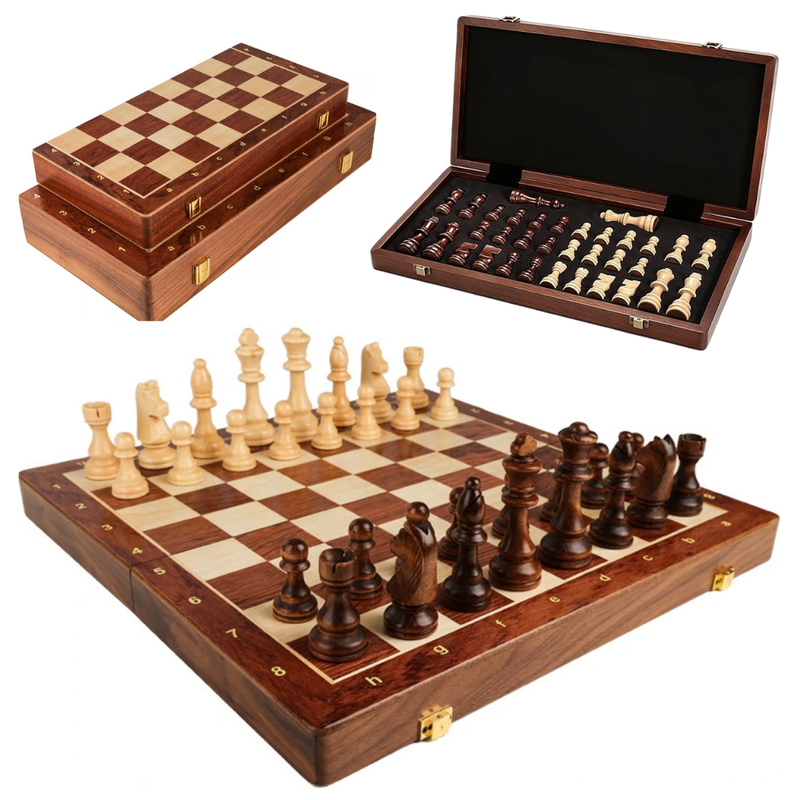
Anyone wanting to play on the go between neighbourhoods is best served by a foldable travel set that fits in any bag and is ready to use at almost any table. Especially in a city with so many active neighbourhood clubs – from Riesbach to Seebach – it's worth quickly checking before an outing whether a club evening is taking place along the way anyway.
Tournaments and open events
ASK Réti takes part in the Swiss championships with several teams (SMM, SGM, SJMM, ZMM) and organizes its own tournaments throughout the year, as well as grandmaster talks for members. The Schachgesellschaft Zürich has won the Swiss Team Championship 25 times, most recently in 2016, and so remains one of the most successful clubs in the country's league play.
Anyone entering a tournament for the first time should know beforehand what equipment is required. The dimensions are not a matter of taste but are regulated – see our article on the official tournament chess standards.
Schachklub ETHZ is also visible beyond the region: as a university club, it regularly competes against other Swiss university teams and offers students in particular an easy way into tournament play, without requiring the long-standing club commitment of a traditional club.
Chess for children and teenagers
The Schachgesellschaft Zürich runs a structured development course for juniors, Tuesdays to Thursdays from 5:30 to 8:00 pm under the direction of FM Manuel Valdivia and Eduard Cervelli, plus its own youth training on Fridays from 5:30 to 7:00 pm. Through "Jugendschach Science City" at ETH Hönggerberg, ASK Réti offers additional courses for children and teenagers. Werner Hug, once a member of the Schachgesellschaft Zürich, became World Junior Champion in 1971 – the only Swiss player to date to do so – proof of how seriously youth development has been pursued in the city for decades.
Getting started at home requires little at first: a board of a sensible size and pieces that smaller hands can grip well. Which square size suits which king height is covered in our article on chessboard size.
Werner Hug's 1971 title shows that good youth work in Zurich is not a new phenomenon – more than fifty years ago, the Schachgesellschaft was already investing deliberately in its youngest members, long before youth development became standard at other clubs. Anyone taking part in one of the junior training sessions today is joining a tradition that is considerably older than most of the city's clubs themselves.
Zurich and chess history
In 1809, six people from Zurich, among them the merchant Johann Escher and the artist Heinrich Maurer, founded the Schachgesellschaft Zürich – by its own account the oldest chess club in the world still in existence today. In 1822 the club played the first documented Swiss inter-club match, against Winterthur – an event now regarded in retrospect as the birth of organized club chess in Switzerland. In 1889 the Schachgesellschaft organized the very first Swiss chess tournament, from which the Swiss Chess Federation later emerged: without the initiative from Zurich, the Swiss chess landscape would probably have organized itself considerably more slowly.
Between these milestones lie decades of continuous club life that survived two world wars, while elsewhere in Europe entire generations of clubs were wiped out. It is this continuity that regularly leads historians to describe the Schachgesellschaft Zürich as the oldest chess club in the world that is still active – a title that is occasionally debated with other traditional clubs, but is well supported by the club's fully documented history.
The major international appearances followed in the 20th century: in 1934 the club hosted its first international masters' tournament, won by Alexander Alekhine. In 1953 Zurich was the venue of the Candidates Tournament for the World Championship, won by Vasily Smyslov – one of the strongest tournaments in the history of chess, with practically the entire post-war world elite taking part. Over the years, the members of the Schachgesellschaft included Emanuel Lasker, Aaron Nimzowitsch and, from 1993, the former World Championship challenger Viktor Korchnoi. In 2009 the club celebrated its 200th anniversary with events involving several world champions – a continuity unmatched anywhere in the world.
It is also remarkable how directly this history reaches into the present: the club now named after Nimzowitsch bears the name of a player who was actually active in Zurich, and the Schachgesellschaft itself currently has around 100 members who regularly compete in the same tradition that began in 1809. With 25 Swiss team championship titles, the club remains one of the dominant forces in Swiss league chess to this day – no club in the country can look back on a comparably unbroken history.
Frequently asked questions
Where can I play chess in Zurich without a membership?
Most easily through the open club evenings, for example on Thursdays at ASK Réti in Klus Park or on Fridays at the open game night of the Schachgesellschaft Zürich.
Which Zurich chess club is suitable for beginners?
ASK Réti does not require advance registration and is considered the largest club in the city. Schachklub Nimzowitsch Zürich explicitly opens its doors to new members on Mondays until 8:00 pm.
Why is Zurich considered so important in chess history?
Founded in 1809, the Schachgesellschaft Zürich is considered the oldest existing chess club in the world, and the city was the venue of the 1953 Candidates Tournament as well as a 1934 masters' tournament won by Alexander Alekhine.
When do open chess tournaments take place in Zurich?
ASK Réti organizes its own tournaments throughout the year alongside the Swiss championships; the Schachgesellschaft Zürich competes with its teams in the top league all year round.
From 1809 to today: Zurich's chess tradition at your fingertips
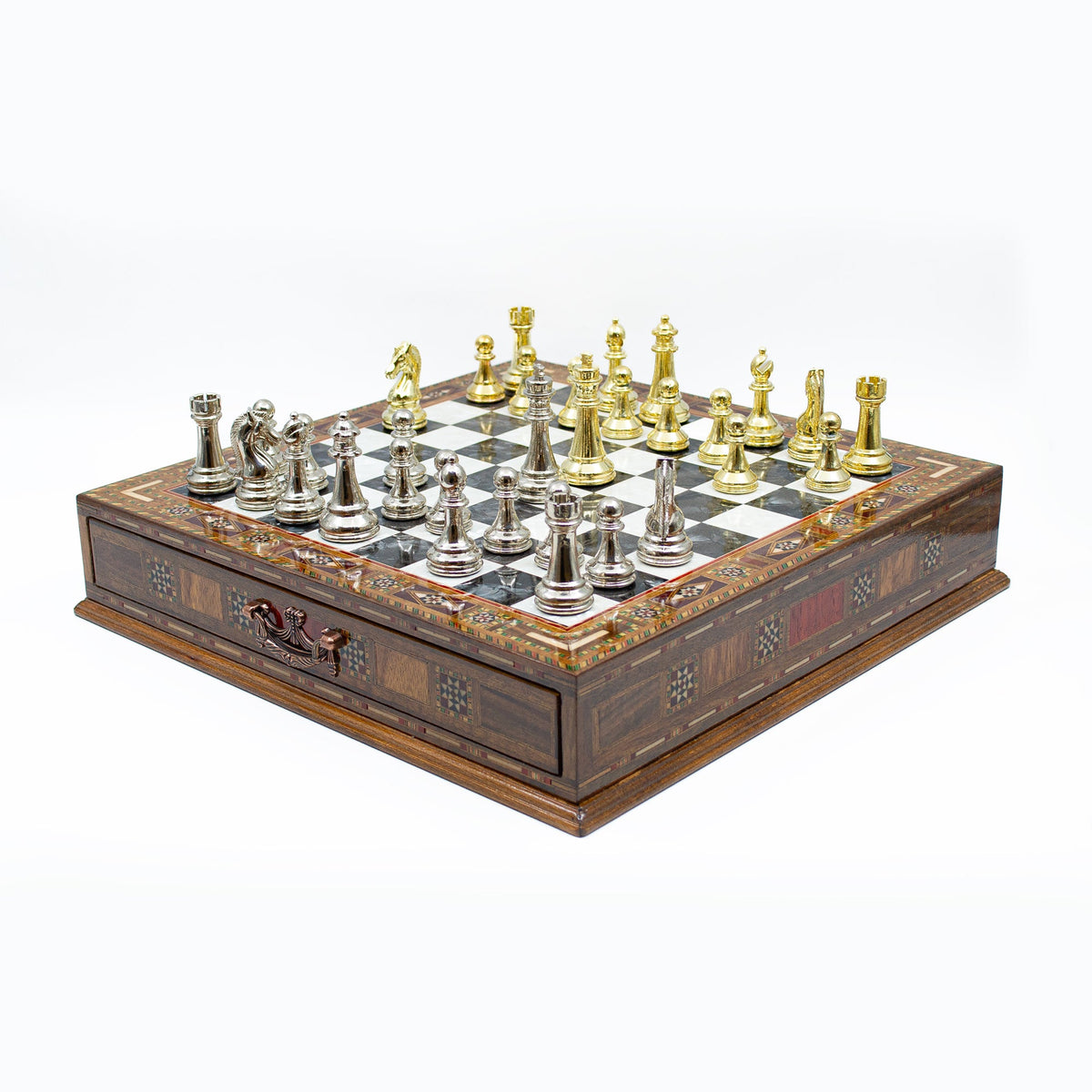
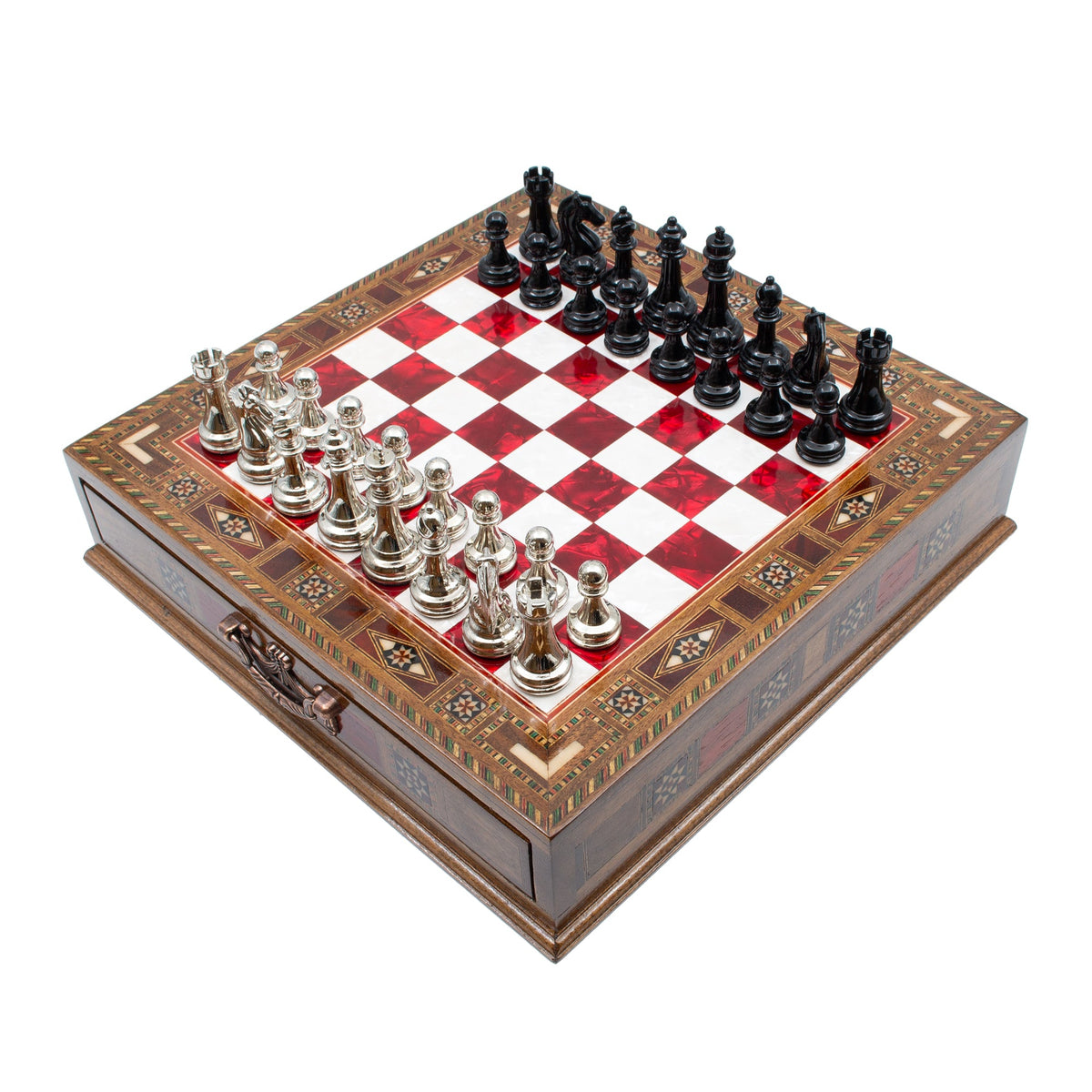
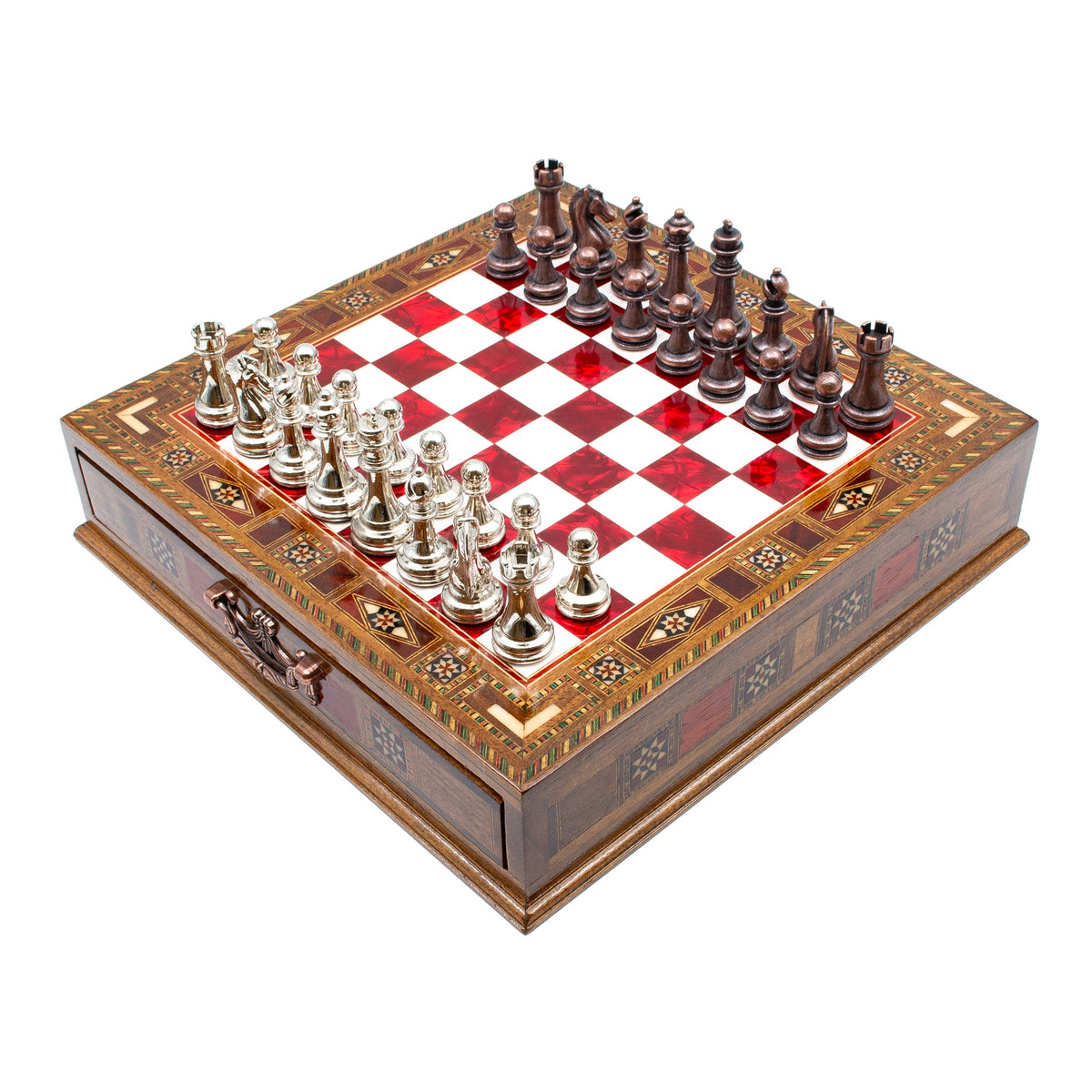
Anyone who has played with borrowed equipment at a Zurich club evening quickly notices the difference to a well-made set of their own. For a regular game night, our handcrafted wooden sets are a good fit – solid wood, visible grain, pieces with noticeable weight. Anyone wishing to honour the 200-year history of the Schachgesellschaft Zürich, from Lasker to Korchnoi, will find boards with character and patina among our collector's pieces. And for a gift to a club member after a tournament win, it's worth looking at our engraved sets: a dedication in the wood outlasts any trophy. Schachatelier is a Berlin brand. Take your time and have a look around.
Read more about chess culture in Innsbruck and in the capital in our articles Playing chess in Innsbruck and Chess and Berlin.